
NestWatch Blog Posts
Blog
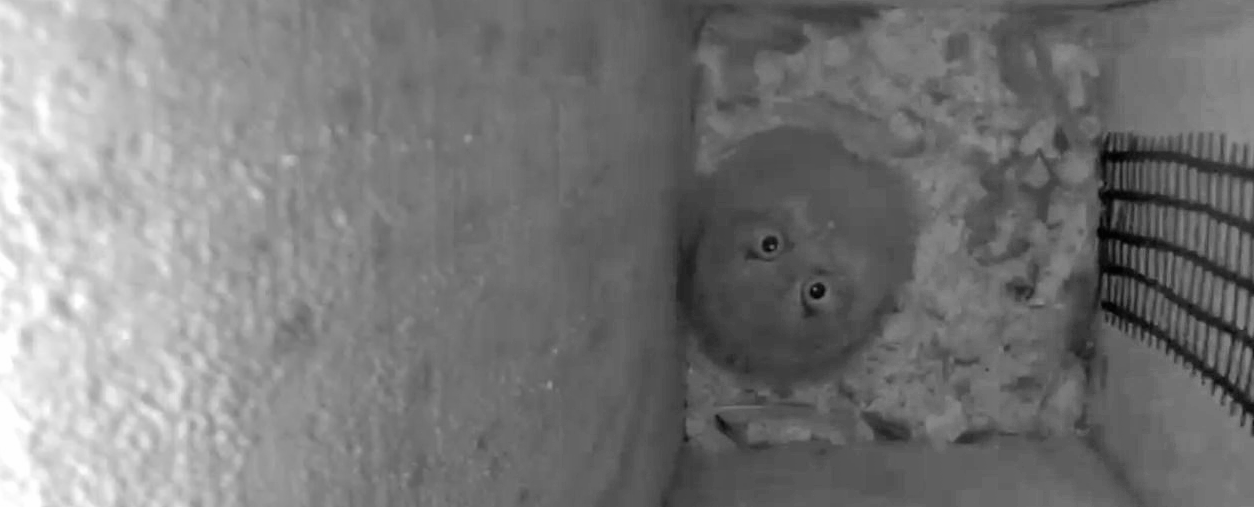 Using Wi-Fi Enabled Security Cameras for Nest Monitoring
With more people using Wi-Fi enabled security cams at home, we’re seeing an increase in their use for monitoring nests as well. These smart cameras integrate with apps on your phone to provide around-the-clock access to your favorite birds. NestWatch project leader Robyn Bailey and NestWatch chapter coordinator Ian Stewart share their experiences with two different camera styles. See what they learned, compare image quality samples, and share your own tips.
 What Kind of Nest Materials are Best to Provide for Birds?
By Holly Grant, Project Assistant Some birdwatchers and nature lovers like to celebrate the beginning of breeding season by providing nesting materials for use by the birds that will soon become their neighbors. Each spring we see a similar uptick…
 What Should You Do About Ants in Birds’ Nests?
NestWatchers occasionally encounter ants or their colonies in birds’ nests. What, if anything, should be done about them? The answer depends on whether the ants are predatory or not.
 What Should You Do About Bird Blow Flies in the Nest?
Bird blowflies are an unwelcome blood-feeding parasite found in the nests of many species of birds. Their presence is often blamed for nestling deaths, but there is little scientific evidence that they commonly reduce nestling survival, suggesting that their harmful effects are below a lethal threshold. What—if anything—can or should we do about them when monitoring nest boxes?
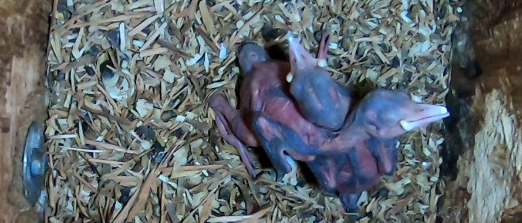 What’s All The Buzzing About?
Do Northern Flickers have a “hive mind” mentality? Or is their acoustic resemblance to a swarm of bees simply coincidence? Listen in, and decide for yourself!
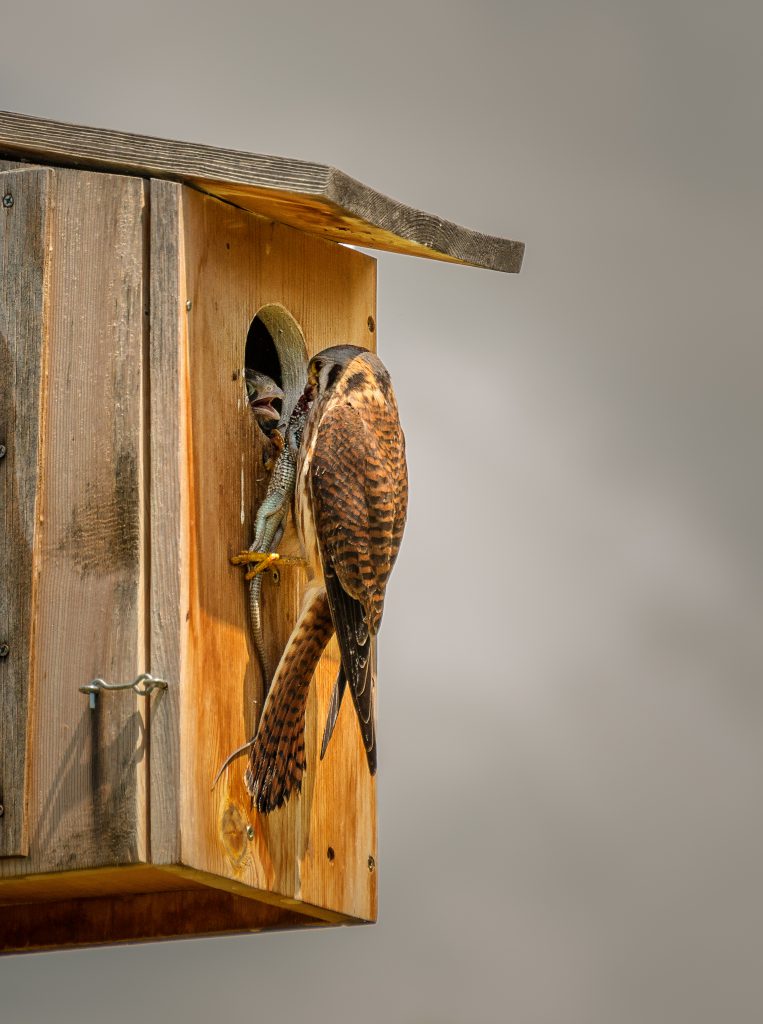 Why Are American Kestrels Declining? New Insights from a Continental Study
American Kestrels have been experiencing a long-term decline in populations. NestWatch data contributed to a recent study that brought together multiple data sources from around the continent. This integration of demographic data sources revealed new insights into how we can help reverse these declines.
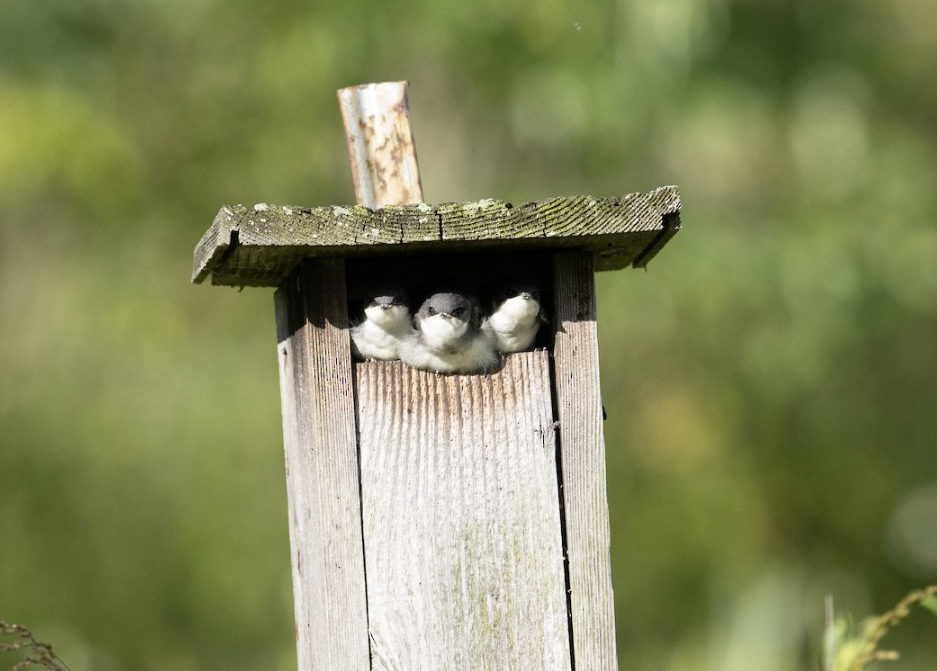 Why Nesting Earlier May Not Be Enough for Northern Tree Swallows in a Warming World
A new study of nearly 95,000 Tree Swallow nests from across North America found that these birds are laying eggs earlier as springs get warmer. Even though Tree Swallows are adjusting their nesting timing in response to climate change, northern populations have been declining while southern populations have remained stable or even increased. The findings suggest that birds in the north may have a harder time keeping up with rapid warming and other challenges, making them more vulnerable to population declines.
 Wildlife at Work
As companies slowly reopen and work to make their facilities safe for their staff, they can also consider making their properties safer for wildlife. In our new blog post, we highlight some certified wildlife habitats on business campuses as examples of good stewardship which benefit both people and planet.
 Will Brood X Benefit Nesting Birds?
Brood X is an enormous cohort of periodical cicadas in North America and is emerging now! NestWatchers are asked to be on the lookout for impacts on the 2021 nesting season.