
NestWatch Blog Posts
Blog
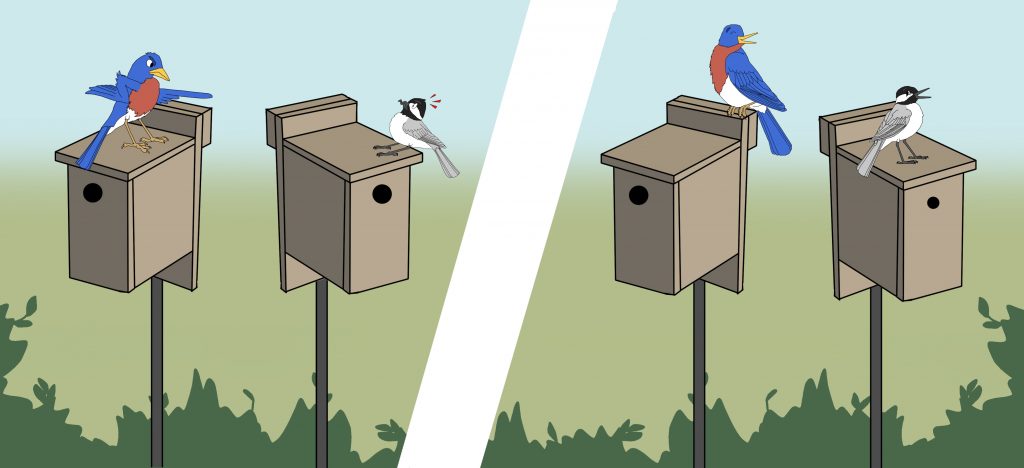 A Tale of Two Boxes: When Pairing Doesn’t Promote Peace
Can pairing nest boxes to reduce competition have a downside? Researchers at Davidson College say yes, and that if you’d like to help out the smaller bird species in your area, it’s all about entrance hole size.
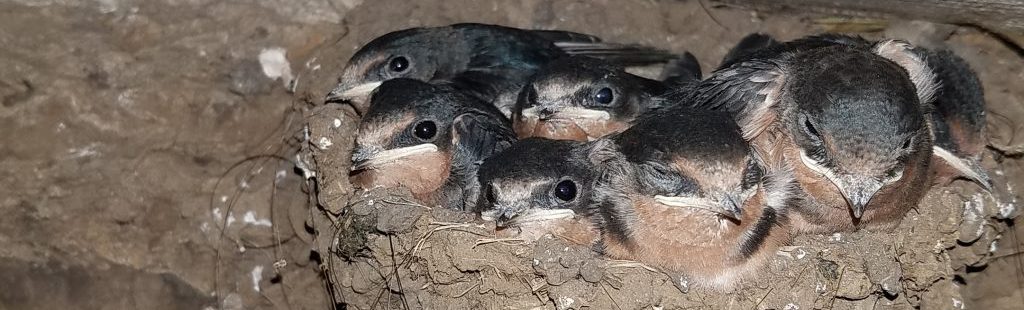 The Life and Times of Mites
If you monitor bird nests, you’re probably pretty familiar with mites. Join us as we explore the different kinds of mites that inhabit birds and their nests, and discover how birds have evolved to fight back.
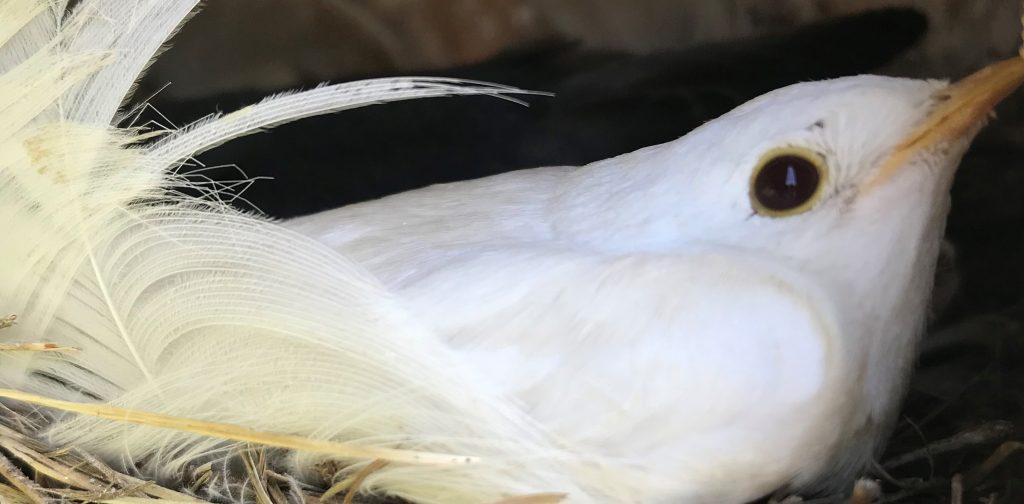 NestWatcher Finds Rare Albino Nestling
A NestWatcher discovers an albino Tree Swallow in a Massachusetts nest box. Fewer than one-half of a percent of all birds have this genetic condition.
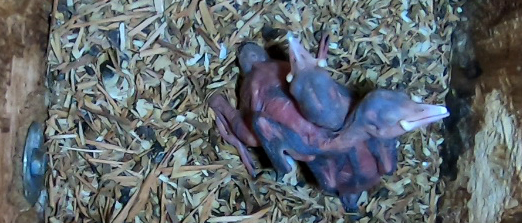 What’s All The Buzzing About?
Do Northern Flickers have a “hive mind” mentality? Or is their acoustic resemblance to a swarm of bees simply coincidence? Listen in, and decide for yourself!
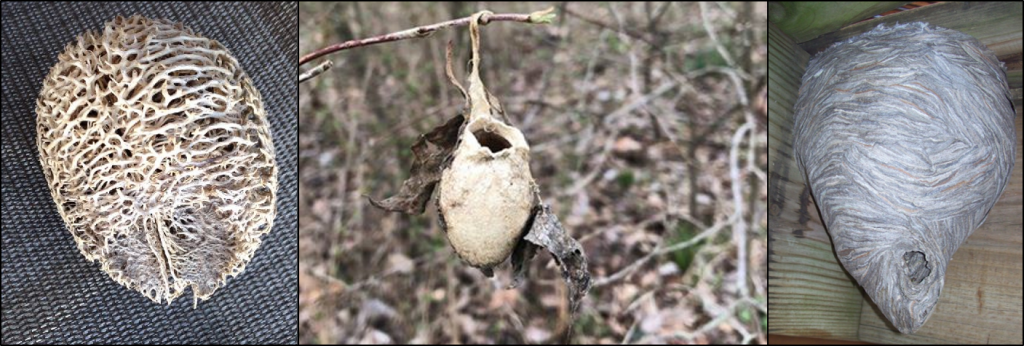 The Nests That Weren’t
We love to play “Guess whose nest?” and answer your burning nest questions. Sometimes, however, this takes a detour into non-avian species. Here are our top five participant finds.
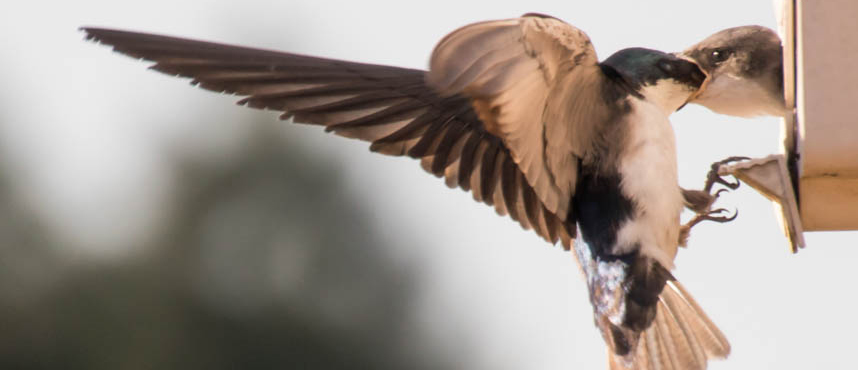 Buckeye Birds Track Temperature And Precipitation
A new study based on Ohio’s bluebirds and Tree Swallows sheds light on how future climate scenarios might impact nesting birds. It also takes a look at how birds might help mitigate crop pests in Ohio.
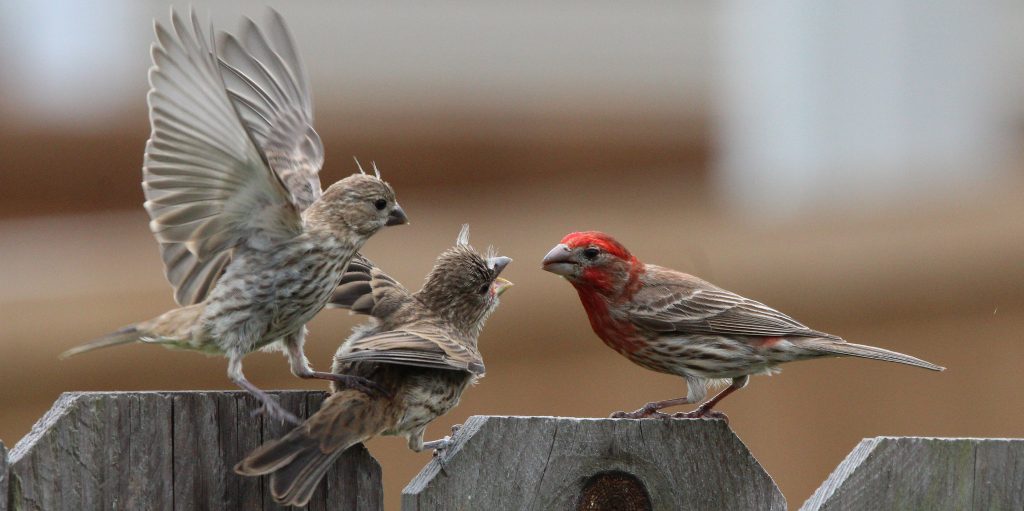 Time Traveling House Finches
A study spanning a century of House Finch data suggests that as California’s springs get warmer, the birds are laying eggs earlier in the season. Read on to learn how researchers used our nest records to uncover the historic lives of House Finches.
 A Pulley System for Large Nest Boxes
For anyone struggling with how to clean and maintain a large nest box mounted on a tall pole, consider installing a pulley system to raise and lower your nest box. Within this post is a link to a design for building a low-cost pulley system.
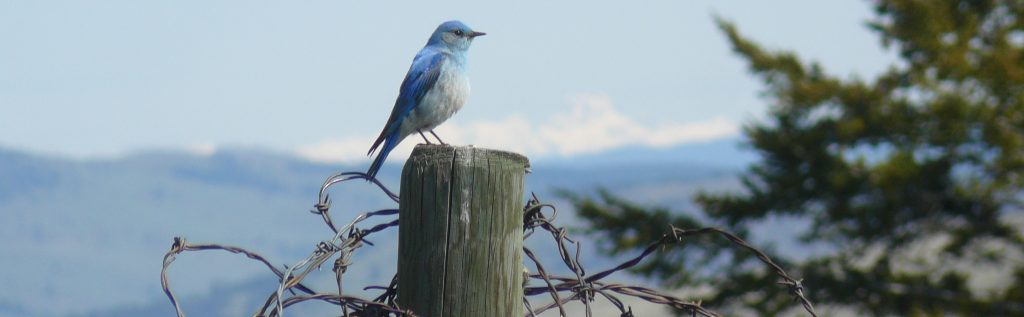 Round Versus Slot Entrances: New Study Says “Go Round”
A new study of nest box design suggests that bluebird enthusiasts should choose round entrance holes over “slot-style” nest boxes. Find out why this design decision made a difference to Mountain Bluebirds in British Columbia.