
NestWatch Blog Posts
Blog
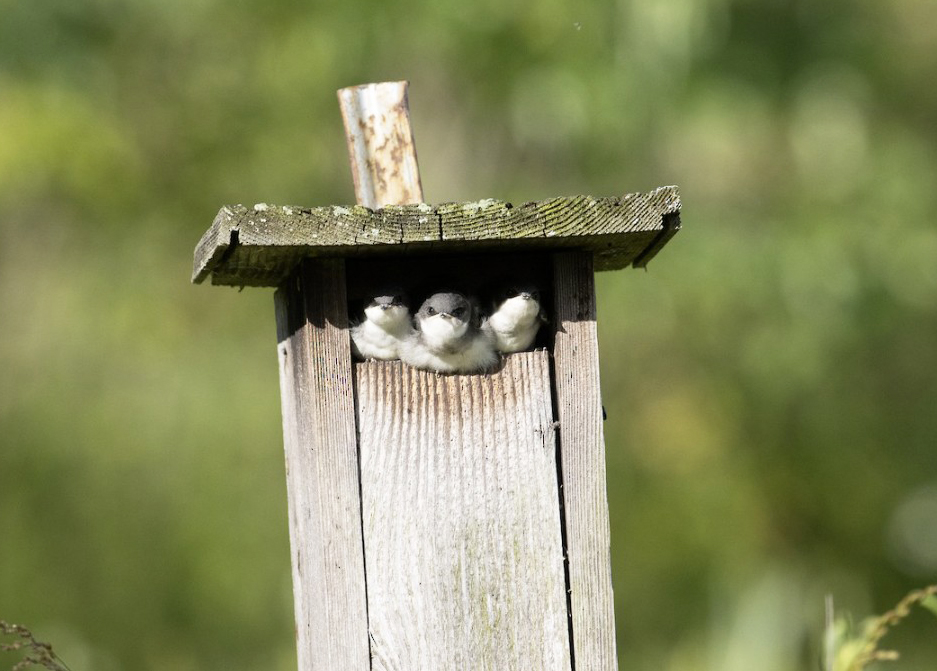 Why Nesting Earlier May Not Be Enough for Northern Tree Swallows in a Warming World
A new study of nearly 95,000 Tree Swallow nests from across North America found that these birds are laying eggs earlier as springs get warmer. Even though Tree Swallows are adjusting their nesting timing in response to climate change, northern populations have been declining while southern populations have remained stable or even increased. The findings suggest that birds in the north may have a harder time keeping up with rapid warming and other challenges, making them more vulnerable to population declines.
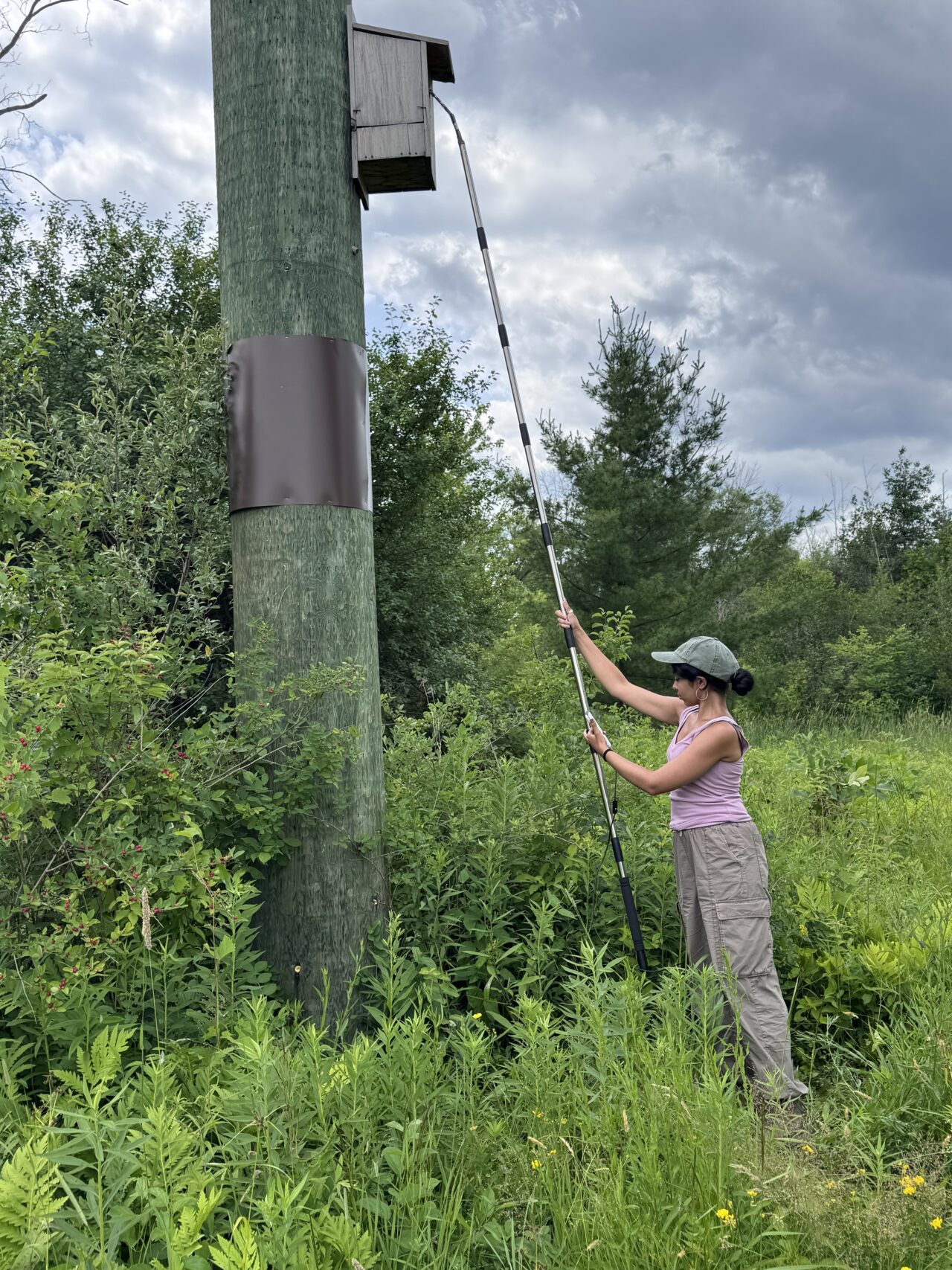 Monitoring hard-to-reach nest boxes? Try a camera pole!
Do you have nest boxes that are mounted too high to easily inspect without a ladder? In this month’s blog post, we outline some easy steps to make a DIY nest-checking pole which eliminates the need for a ladder during nest inspections. Lightweight, inexpensive, and easy-to-use, this DIY tool can be operated by one person.
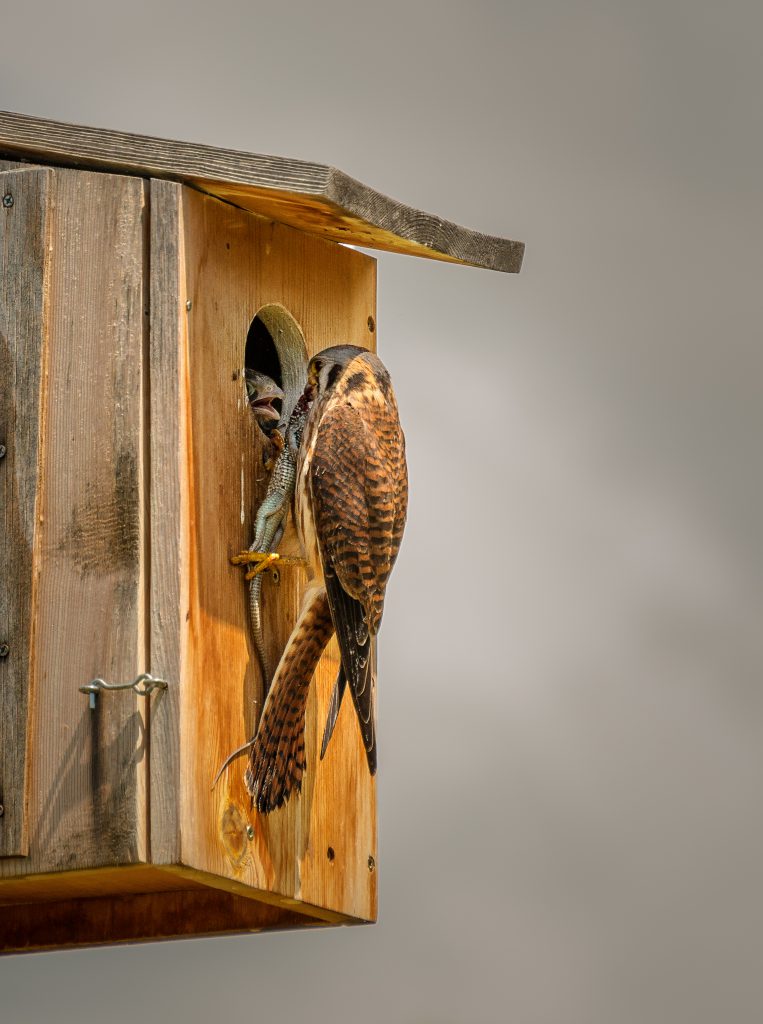 Why Are American Kestrels Declining? New Insights from a Continental Study
American Kestrels have been experiencing a long-term decline in populations. NestWatch data contributed to a recent study that brought together multiple data sources from around the continent. This integration of demographic data sources revealed new insights into how we can help reverse these declines.
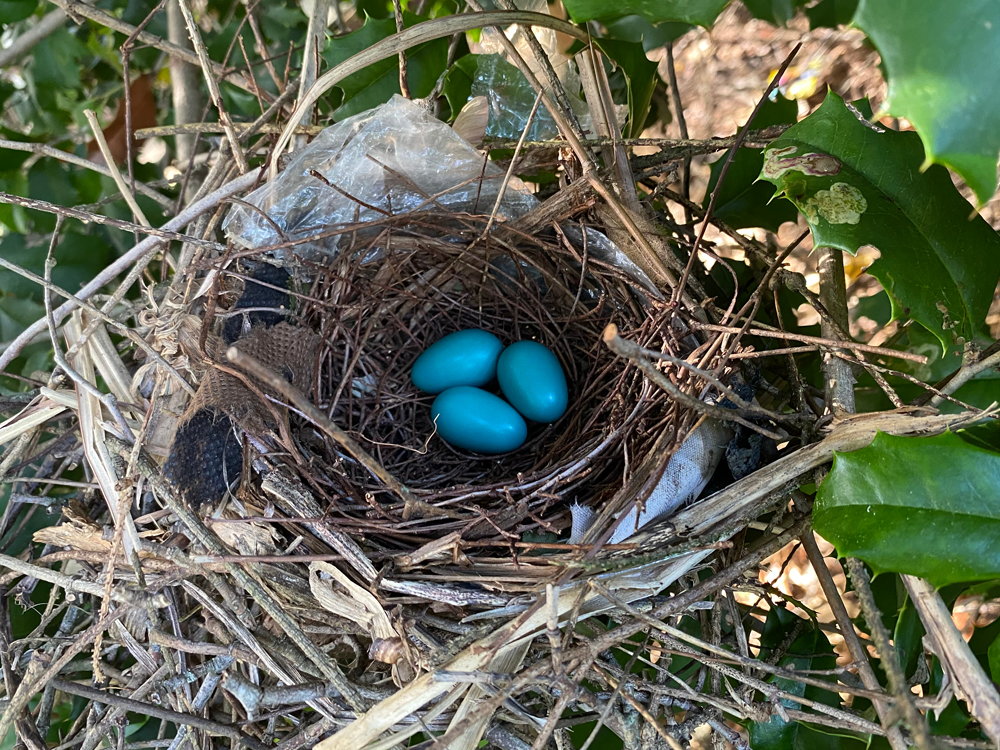 Join Our New Study on Plastics in Bird Nests
We’re noticing more birds weaving bits of human-made materials—like plastic bags or fishing line—into their nests, and we’re curious about what that means for their success. Could plastic pose risks, or might it offer some unexpected benefits? This summer, we’re teaming up with a Cornell University student to find out, and we’d love your help. If you find and monitor an American Robin, Gray Catbird, or Northern Mockingbird nest, you can snap a couple of quick photos (from the side and above) and upload them to NestWatch. By comparing nests with and without plastic, we can learn more about how these materials affect birds.
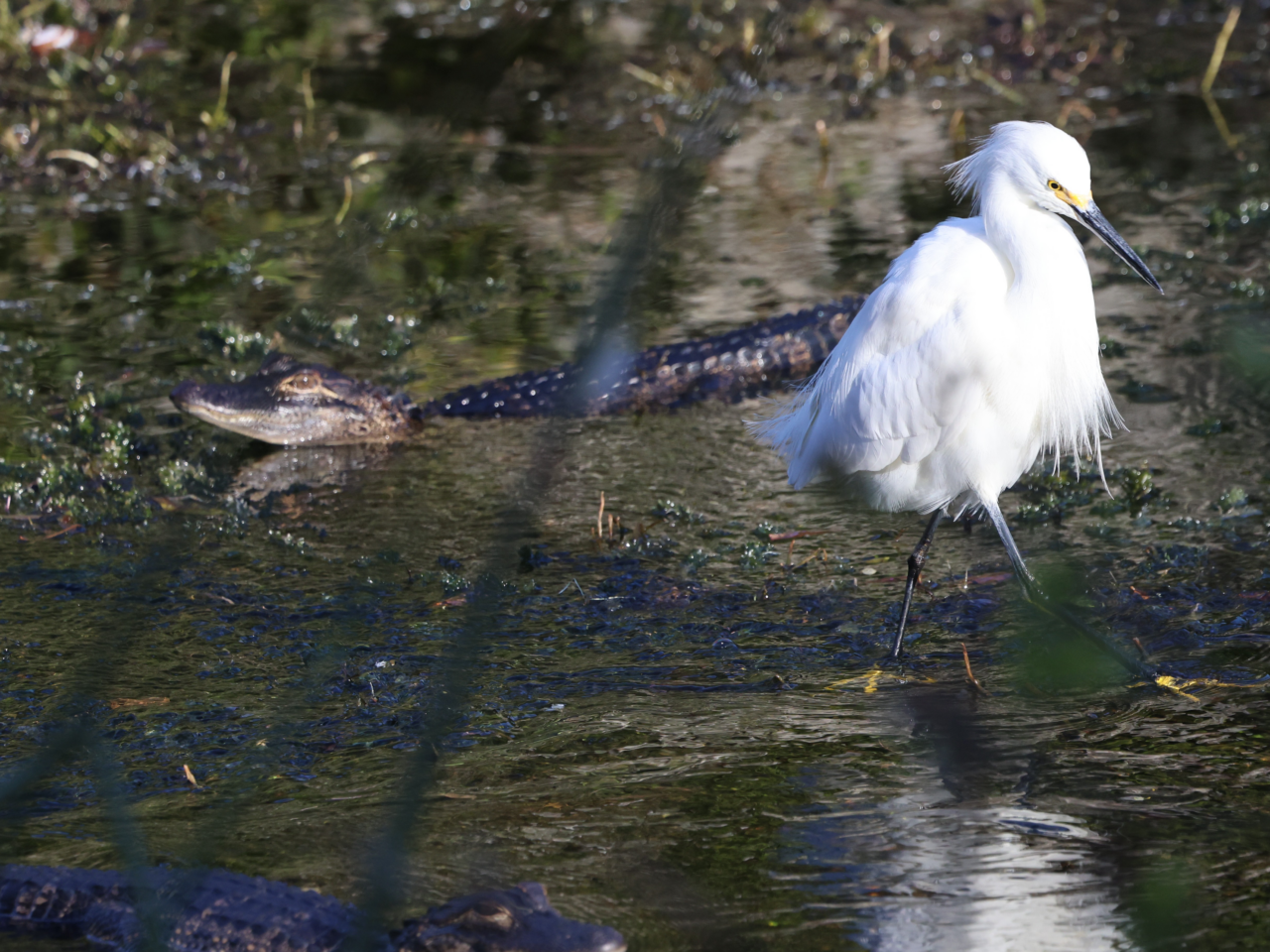 Protective Nesting Associations: the predator next door
Sometimes building a nest near predators can be a good thing! Let’s explore the different ways some birds take advantage of nesting near to animals that are a few steps higher up on the food chain—in other words, their predators’ predator.
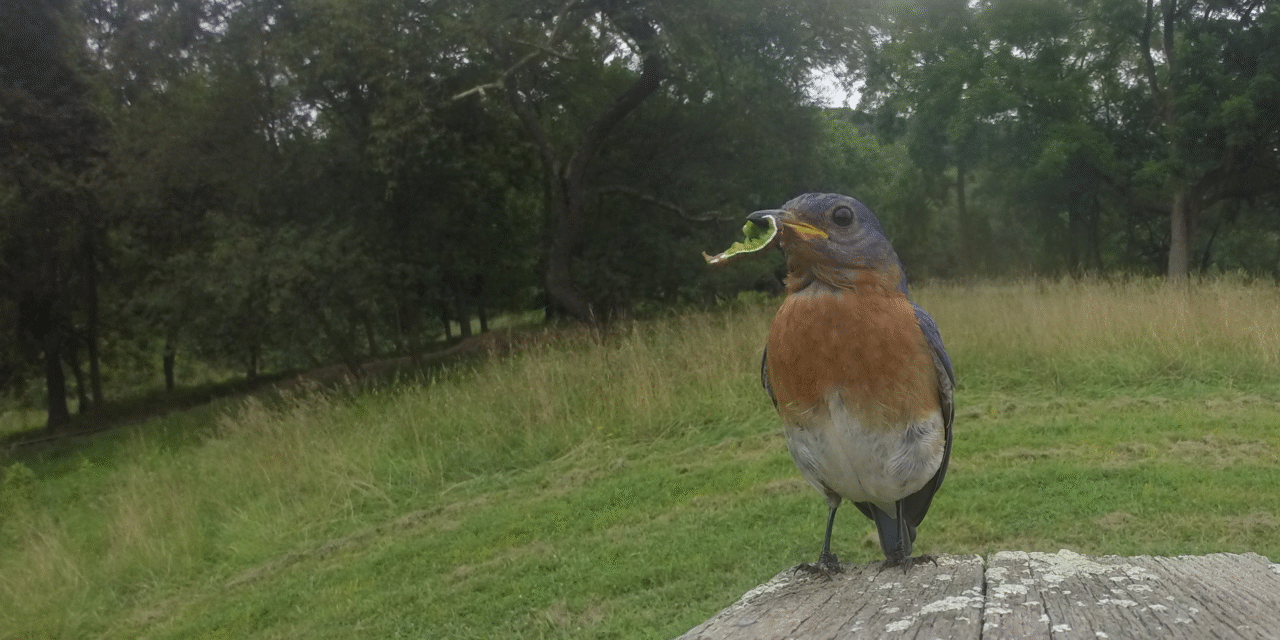 To Support Nesting Eastern Bluebirds, Plant Native
When it comes to feeding baby birds, some prey species are the ideal superfoods. That’s why Eastern Bluebirds feed caterpillars to their nestlings 40% of the time—they’re rich in protein, fats, and vitamins! But birds need our help to reverse insect declines and turn “food deserts” into “food oases.” Read on to learn how you can help bring back the insects…so birds can feed them to their young.
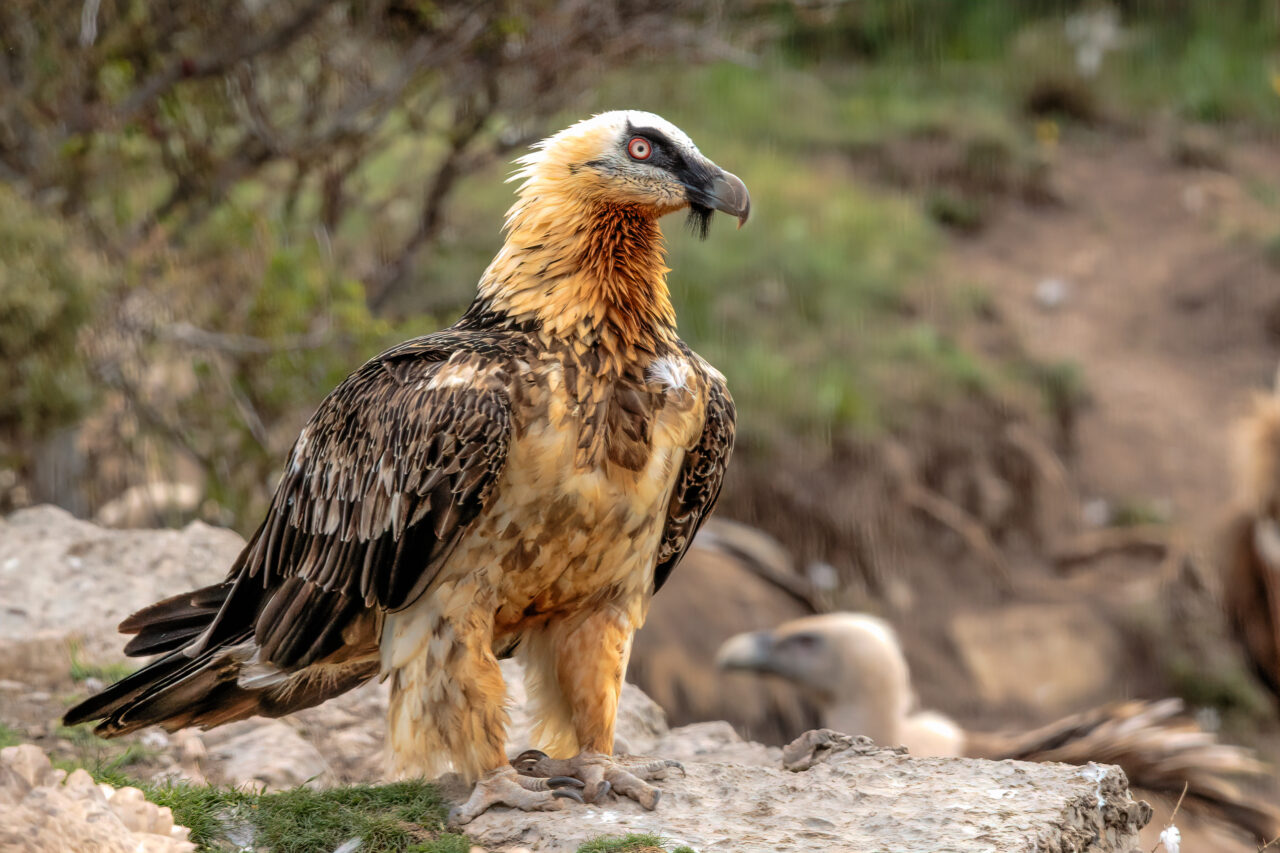 Old Nests Reveal Ancient Ecology
Bird nests come in all shapes and sizes, some lasting for a season, while others last years, decades, or even centuries! A recent study on Bearded Vultures takes a fascinating look into their ancient nests that are still in use and the items found within that helped researchers determine how long they’ve been present in the environment. These discoveries highlight a valuable insight into our biocultural history and how we can shape future conservation goals.
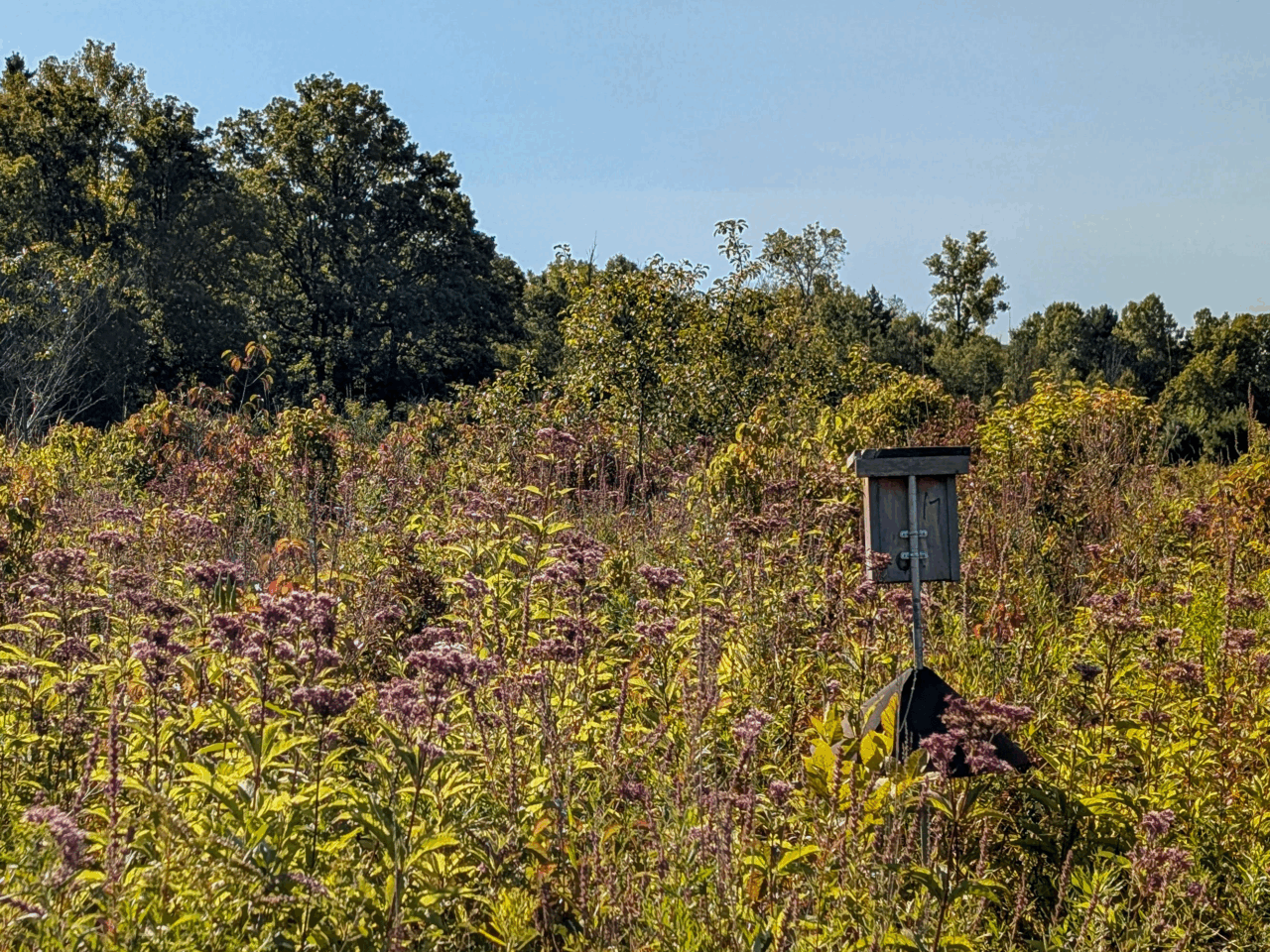 Fall Gardening for Spring Nesting
What can you do this fall to build better habitat for your nest box inhabitants? Plant native! Native plants are a boon for wildlife, especially birds; they’re a great source of food and shelter, and they provide ample nesting material during the breeding season. Our guest Mhairi McFarlane dives into several different activities you can do right now to help create ideal nesting space for your birds come springtime.
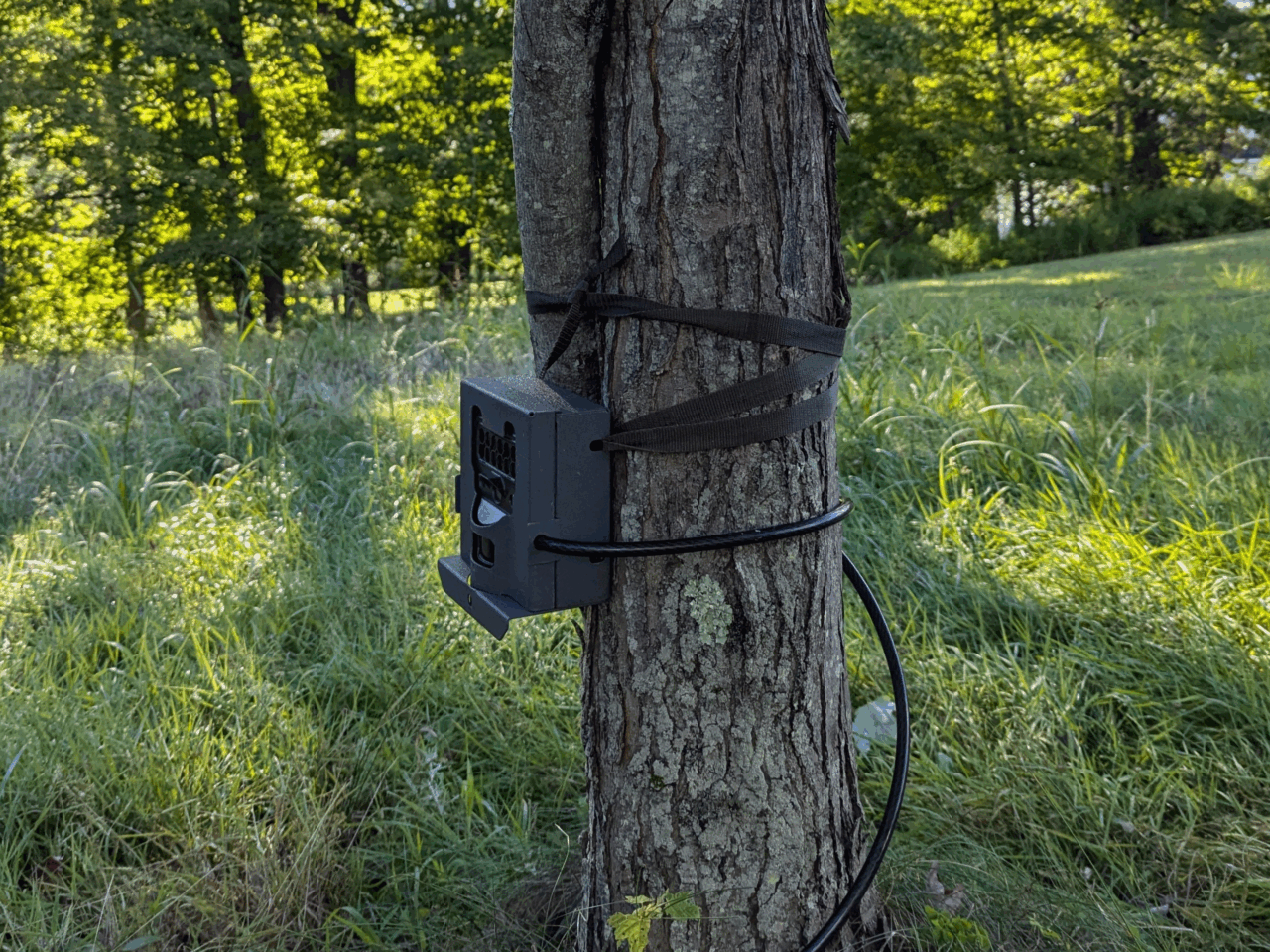 Using Trail Cameras to Enhance Nest Monitoring: Risks and Rewards
Trail cameras are a fun and low-impact way to monitor bird nests and discover fascinating behaviors without disturbing the birds. With the right setup and a few safety considerations, you can collect great data while minimizing time in the field. It’s a great tool for NestWatchers who want a more intimate view of the nesting cycle.