
eNews February 2026
February 20, 2026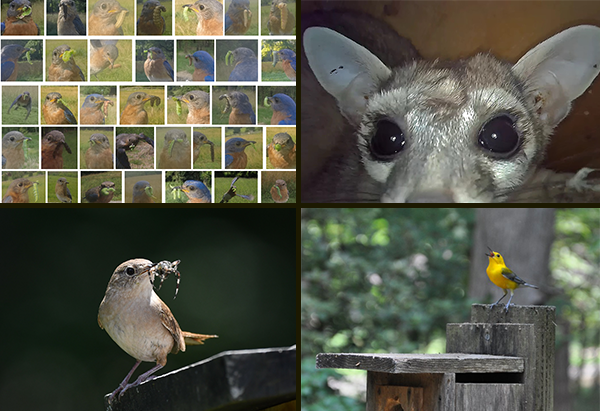
February 2026 eNews
Hungry Hungry Bluebirds
When it comes to feeding baby birds, some prey species are the ideal superfoods. New research reveals that Eastern Bluebirds feed caterpillars to their nestlings 41% of the time, and for good reason. They’re rich in protein, fats, and vitamins. But birds need our help to reverse insect declines and turn “food deserts” into “food oases.” Our latest blog offers suggestions on how you can help bring back the insects—so birds can feed them to their young!
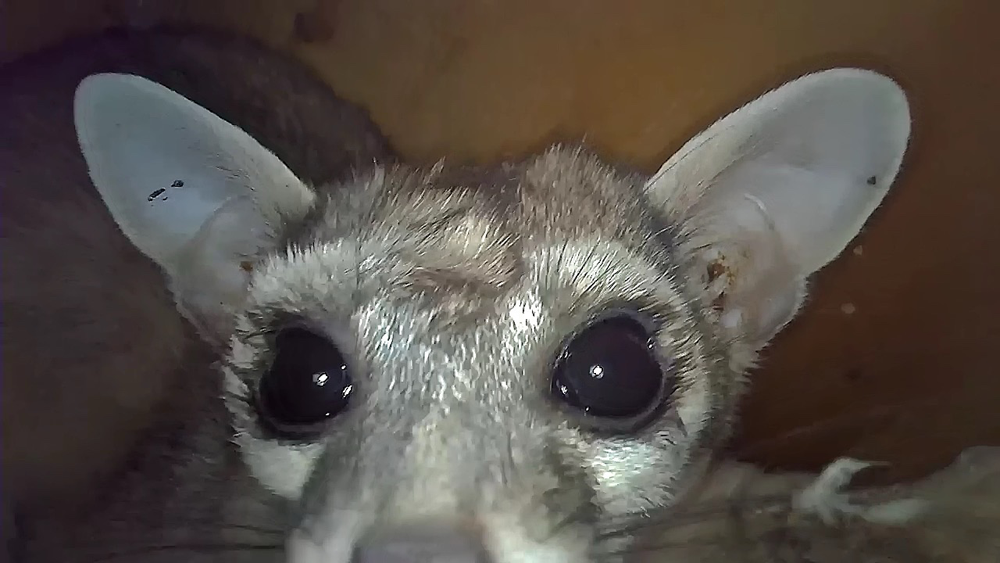
A Mystery Mammal
Volunteers for New Mexico State University’s kestrel monitoring group caught this little critter (below) resting in an American Kestrel nest box on three consecutive nest visits (no bird nest was present at the time). Can you guess what it is?
Mystery Mammal
Take your guesses!
We’ve seen NestWatchers document all kinds of visitors—bats, flying squirrels, skinks, and tree frogs come to mind—but this is the first time we’ve seen evidence of a ringtail in a nest box. Ringtails are related to raccoons and coatis, and their range stretches over much of western Mexico and the southwestern United States, even up into parts of southern Oregon. What a surprise this must’ve been!
New NestWatch Chapters
Our newest NestWatch Chapters are Stetson Audubon in Deland, FL, and Chatham Conservation Foundation in Chatham, MA. Welcome!
Data Win
This month we bulk-uploaded 985 nest records thanks to Vince Petrillo and the Kansas State Extension Master Naturalists. Do you have a lot of data to share? We can help.
NestWatch Tip of the Month
The nesting season for the Northern Hemisphere is quickly approaching! Do you have all your ducks in a row? Now is a great time to clean out nest boxes and perform any last-minute maintenance before the upcoming season. Don’t forget to review our Code of Conduct and get certified as a NestWatch nest monitor!
Submission of the Month
Submission of the Month
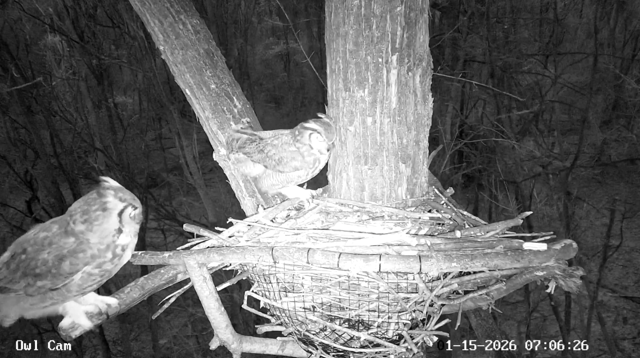
We’re loving this photo of a pair of Great Horned Owls making use of an artificial nesting platform, submitted by Perry Yingling, of Pennsylvania! Great Horned Owls begin nesting as early as mid-February in parts of their range. Want to build a nest cone for the owls in your area? We’ve got free construction plans available on our website. Be sure to submit photos with your nest visit data for a chance to be featured here.