
Search Results for: dealing with predators
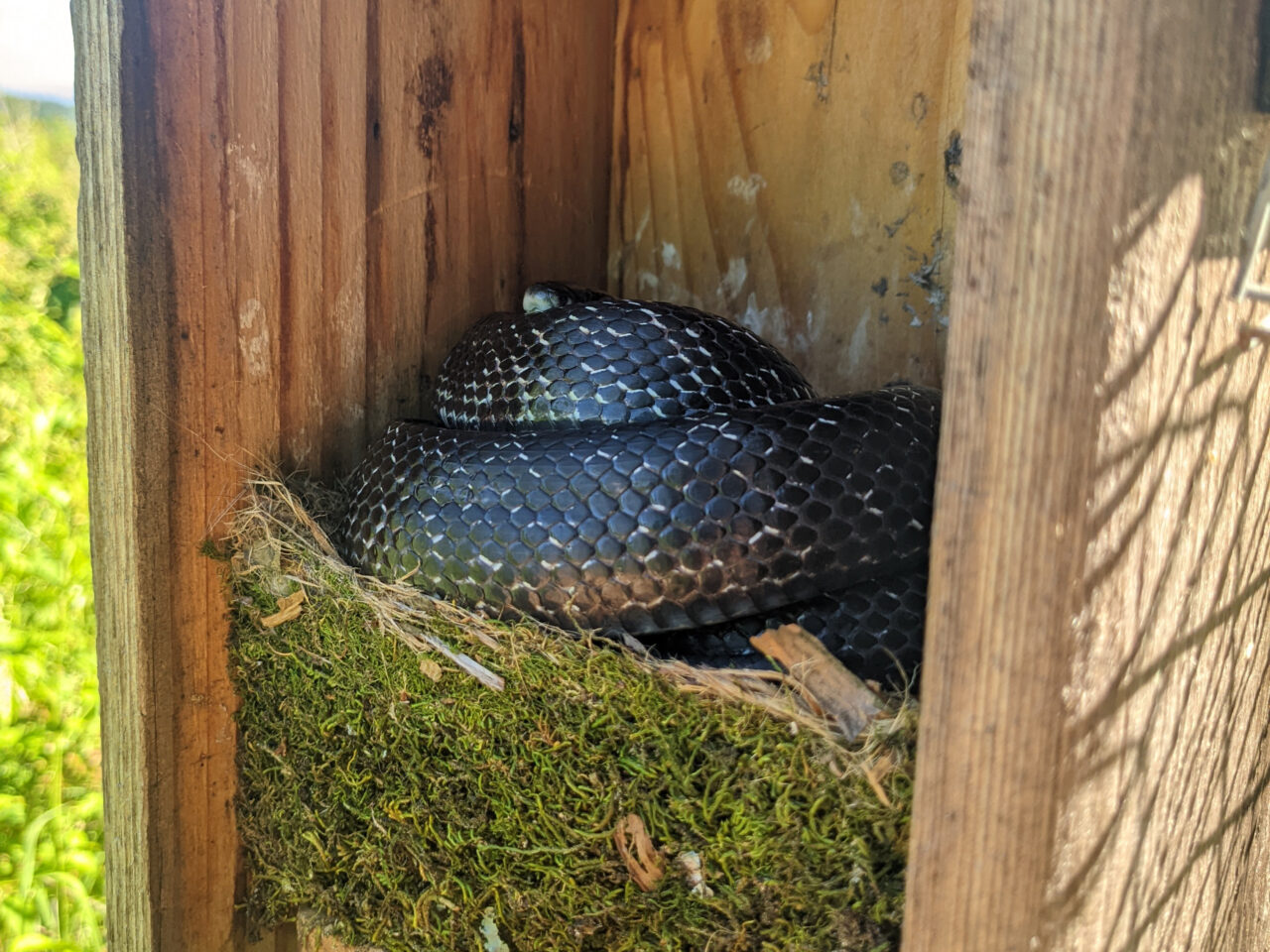 Dealing with Predators
What to do about Predators Although nest boxes provide nesting opportunities for many native birds, they also can make easy targets for predators. Common predators of nests in nest boxes include raccoons, cats, snakes, and squirrels. Here are some tips…
 How can I discourage predators from accessing my nest boxes?
The best way to guard against predators is to mount the box on a smooth, slippery pole and to install a predator guard or baffle on that pole. Galvanized pipe or PVC pipe are both slippery, smooth surfaces that most…
- Featured Articles
A list of featured articles and posts.
- Where can I download construction plans for predator guards?
Recent research using NestWatch data suggests that, on average, nests in boxes with predator guards had success rates 6.7% higher than nests in boxes without guards. And while all types of guards were correlated with improved nesting success, birds nesting in…
- Insects are in my box! What should I do?
In most cases, nothing. Ants are commonly found in nest boxes, but if you specifically have fire ants (most common in the southern US) then we have tips to discourage them on our Dealing with Predators webpage. Mites can also…
- All About Birdhouses
How to Make a Safe, Successful Home for our Feathered Friends For many species of birds, there is a shortage of great places to nest. There may be birds that would love to call your habitat home, but they have…
- Learn
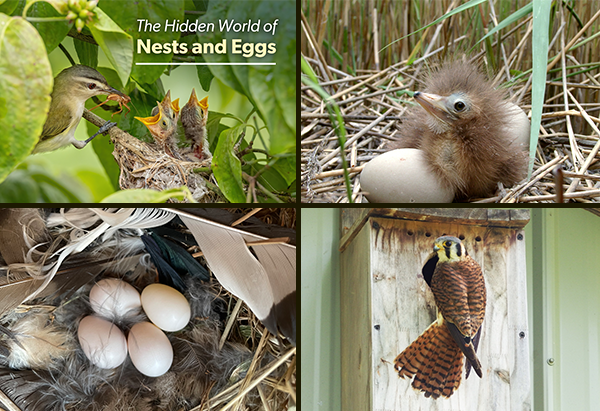
Explore our resources on participating in NestWatch, identifying nests and eggs, understanding the nesting cycle, and installing and managing nest boxes. The Hidden World of Nests and Eggs Discover more details about nesting biology and behavior all around the world…
 eNews March 2026
– The Hidden World of Nests and Eggs
– Join Us for Nest Trivia
– New NestWatch Chapter
– Data Win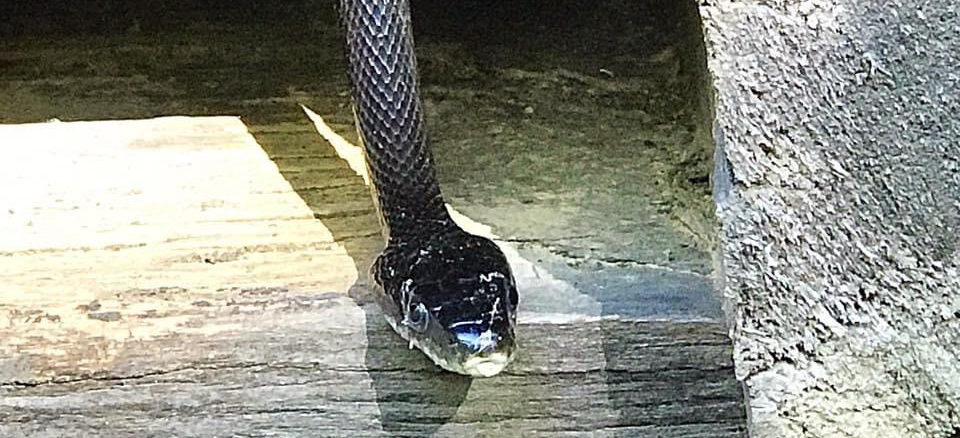 NestWatch Data Aid in Snake Study
The latest research paper to include NestWatch data is not your average avian study. Your data contributions were recently put to use in an examination of gray ratsnake climbing behavior. The study authors were interested in which factors correlate with ratsnake climbing forays, and they wondered if the timing of nests (and thus a seasonal abundance of eggs and nestlings) was an influence.