
eNews October 2026
October 16, 2026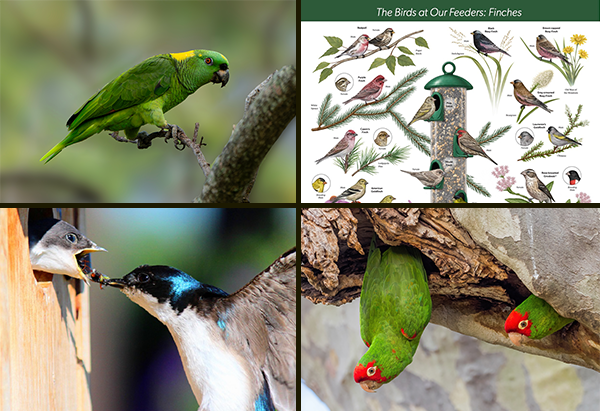
Announcing The 2026 NestWatch Grant Recipients
We are proud to announce the recipients of our inaugural grant program, Nesting in the Neotropics. Thanks to the generosity of our donors, we awarded $66,000 to 14 organizations working across 10 countries in Latin America and the Caribbean. These funds will support research, conservation, and community science throughout the Neotropics, helping to protect nesting birds and the habitats they depend on. Congratulations to the 2026 recipients!
Join Project FeederWatch for 40th Season
Join FeederWatch and share your observations of birds all winter long! Each year, FeederWatch engages tens of thousands of people in counting birds in their neighborhoods from November–April. Researchers use these data to track trends in winter birds and learn about bird ecology and conservation during the non-breeding season in the U.S. and Canada. Participants choose where, when, and how long to count birds. Bird feeders are not required to participate.
Do you live in the U.S.? Sign up by October 23, and you’ll receive our new poster celebrating finches and the native plants they love.
Data from Ontario
We recently archived 109 new nest records thanks to Clare Holden and Nature Barrie! Have historical data you’d like to contribute? Learn about our bulk upload feature.
New Chapters
Welcome to Corporación Esmeraldeña Para La Formación y Desarrollo Integral (CEFODI) of Ecuador and Sociedad Quindiana de Ornitología of Colombia! Find a Chapter near you.
NestWatch Tip of the Month
One of the great things about NestWatch is that participants can upload photos and data throughout the year, even long after a nest is finished! You can submit data from earlier this year, or even from previous years, at any time. Just be careful to enter the correct dates when reporting observations from the past, so your records can help improve our understanding of past and present nesting conditions.
Submission of the Month
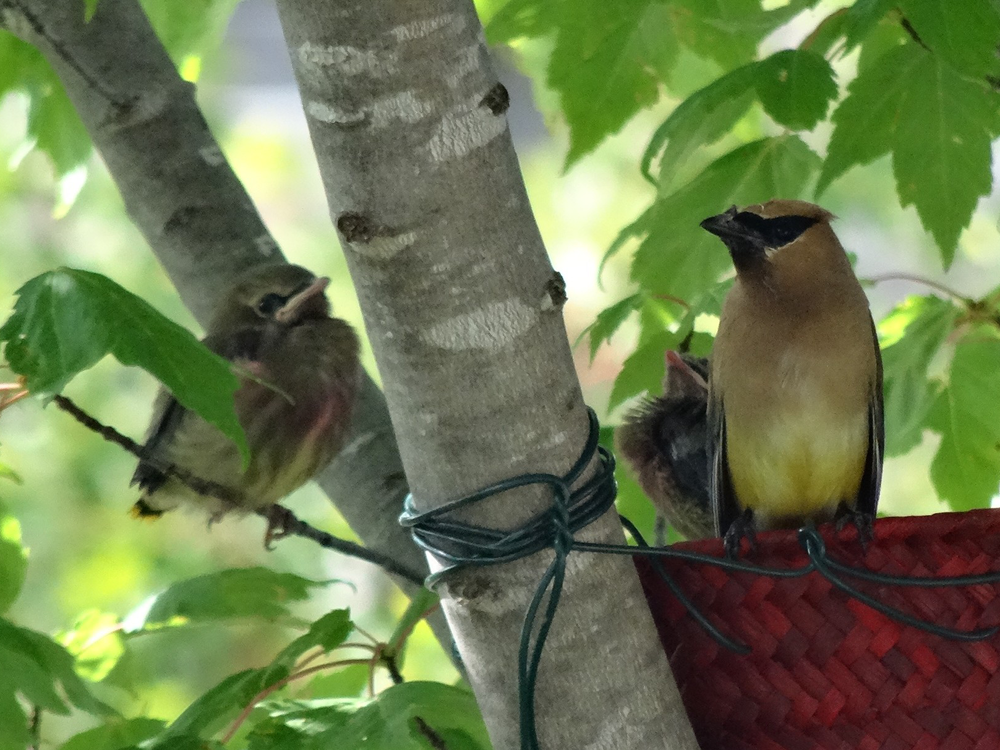
Marilyn Maltby spotted this Cedar Waxwing family in Woodbury, Minnesota. Cedar Waxwings typically nest in forests and woodlands of the northern U.S. and Canada. Youngsters have coarse, dark streaking on their fronts, which might make them hard to identify on their own. Look for bright yellow tail tips to help cinch your ID!