
eNews October 2026
 eNews October 2026
– 2026 Grant Recipients
– Project FeederWatch’s 40th Season
– Data from Ontario
– New Chapters eNews August 2026
– Northern Tree Swallows Face a Nesting Season Squeeze
– Eastern Bluebirds Filmed Delivering a Steady Supply of Snakes to Nestlings
– Influx of Purple Martin Data
– Welcome New Chapters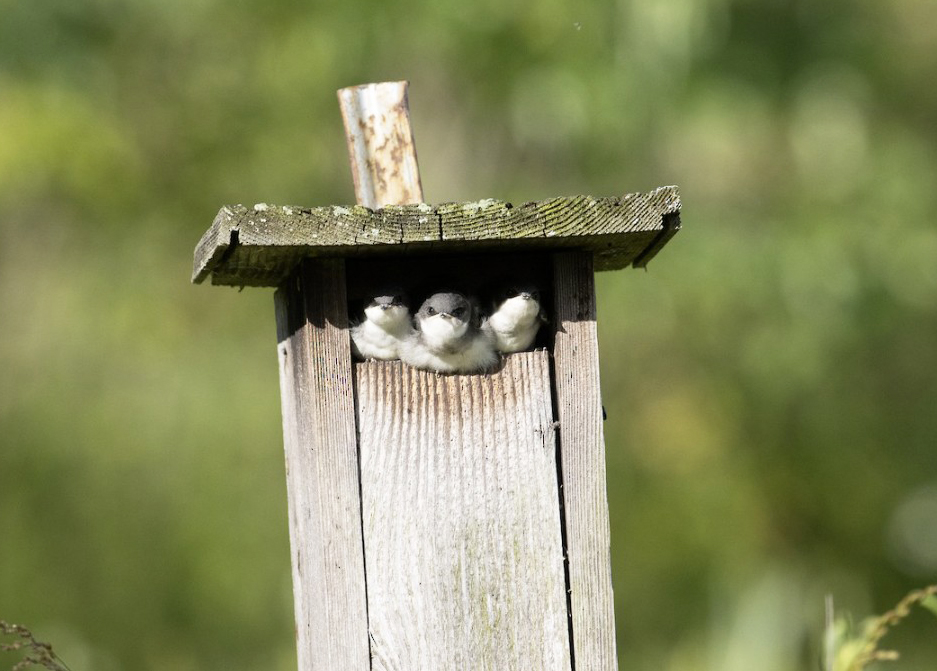 Why Nesting Earlier May Not Be Enough for Northern Tree Swallows in a Warming World
A new study of nearly 95,000 Tree Swallow nests from across North America found that these birds are laying eggs earlier as springs get warmer. Even though Tree Swallows are adjusting their nesting timing in response to climate change, northern populations have been declining while southern populations have remained stable or even increased. The findings suggest that birds in the north may have a harder time keeping up with rapid warming and other challenges, making them more vulnerable to population declines.
 eNews June/July 2026
– How to Make a Nest-checking Pole for Tall Nests
– New Small Grant Program
– Bulk Upload Win
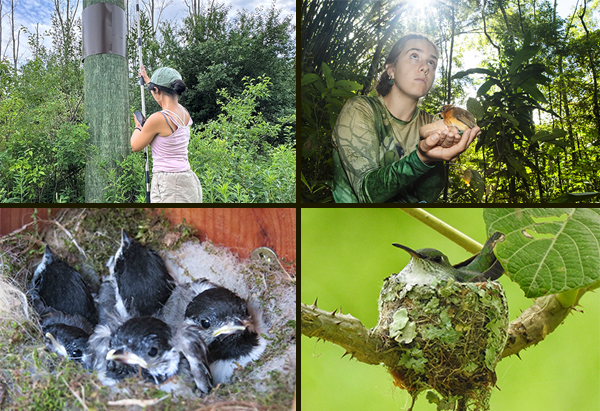
– New Chapters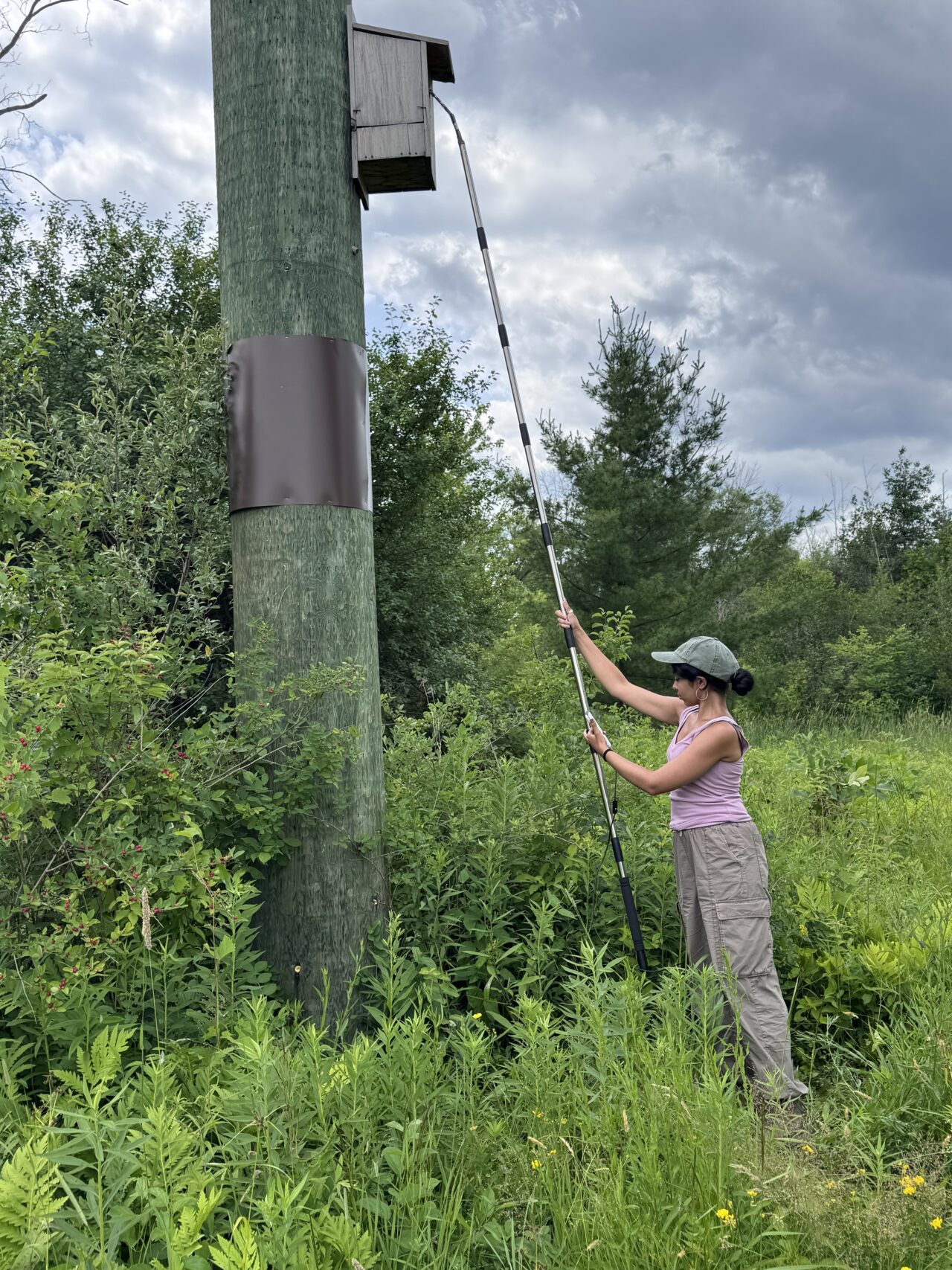 Monitoring hard-to-reach nest boxes? Try a camera pole!
Do you have nest boxes that are mounted too high to easily inspect without a ladder? In this month’s blog post, we outline some easy steps to make a DIY nest-checking pole which eliminates the need for a ladder during nest inspections. Lightweight, inexpensive, and easy-to-use, this DIY tool can be operated by one person.
 eNews May 2026
– New Study Explores American Kestrel Decline
– Reminder to Document Plastics in Nests
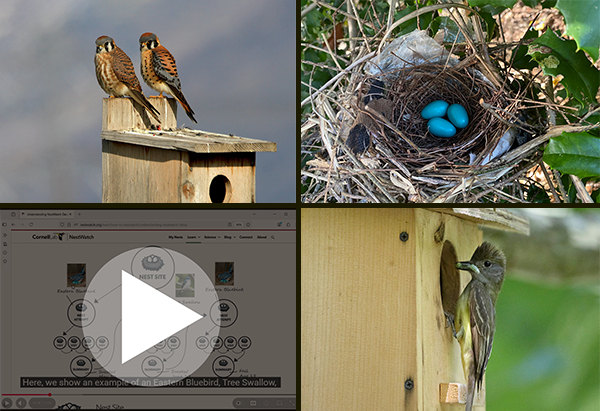
– Watch: An Overview of NestWatch
– New NestWatch Chapters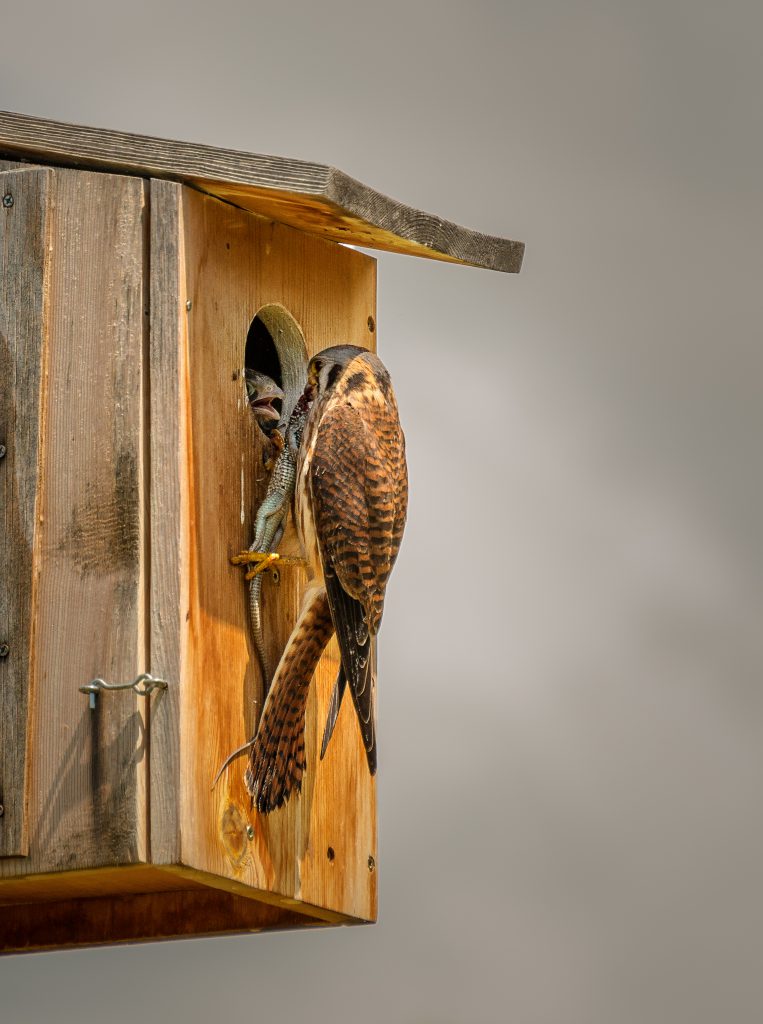 Why Are American Kestrels Declining? New Insights from a Continental Study
American Kestrels have been experiencing a long-term decline in populations. NestWatch data contributed to a recent study that brought together multiple data sources from around the continent. This integration of demographic data sources revealed new insights into how we can help reverse these declines.
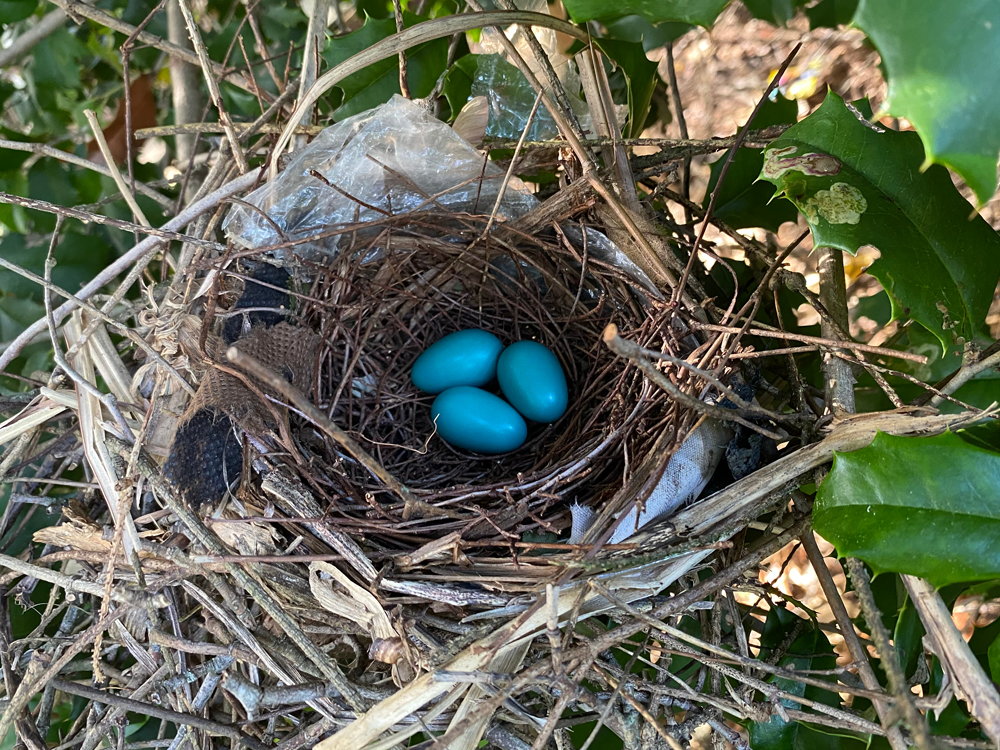 Join Our New Study on Plastics in Bird Nests
We’re noticing more birds weaving bits of human-made materials—like plastic bags or fishing line—into their nests, and we’re curious about what that means for their success. Could plastic pose risks, or might it offer some unexpected benefits? This summer, we’re teaming up with a Cornell University student to find out, and we’d love your help. If you find and monitor an American Robin, Gray Catbird, or Northern Mockingbird nest, you can snap a couple of quick photos (from the side and above) and upload them to NestWatch. By comparing nests with and without plastic, we can learn more about how these materials affect birds.
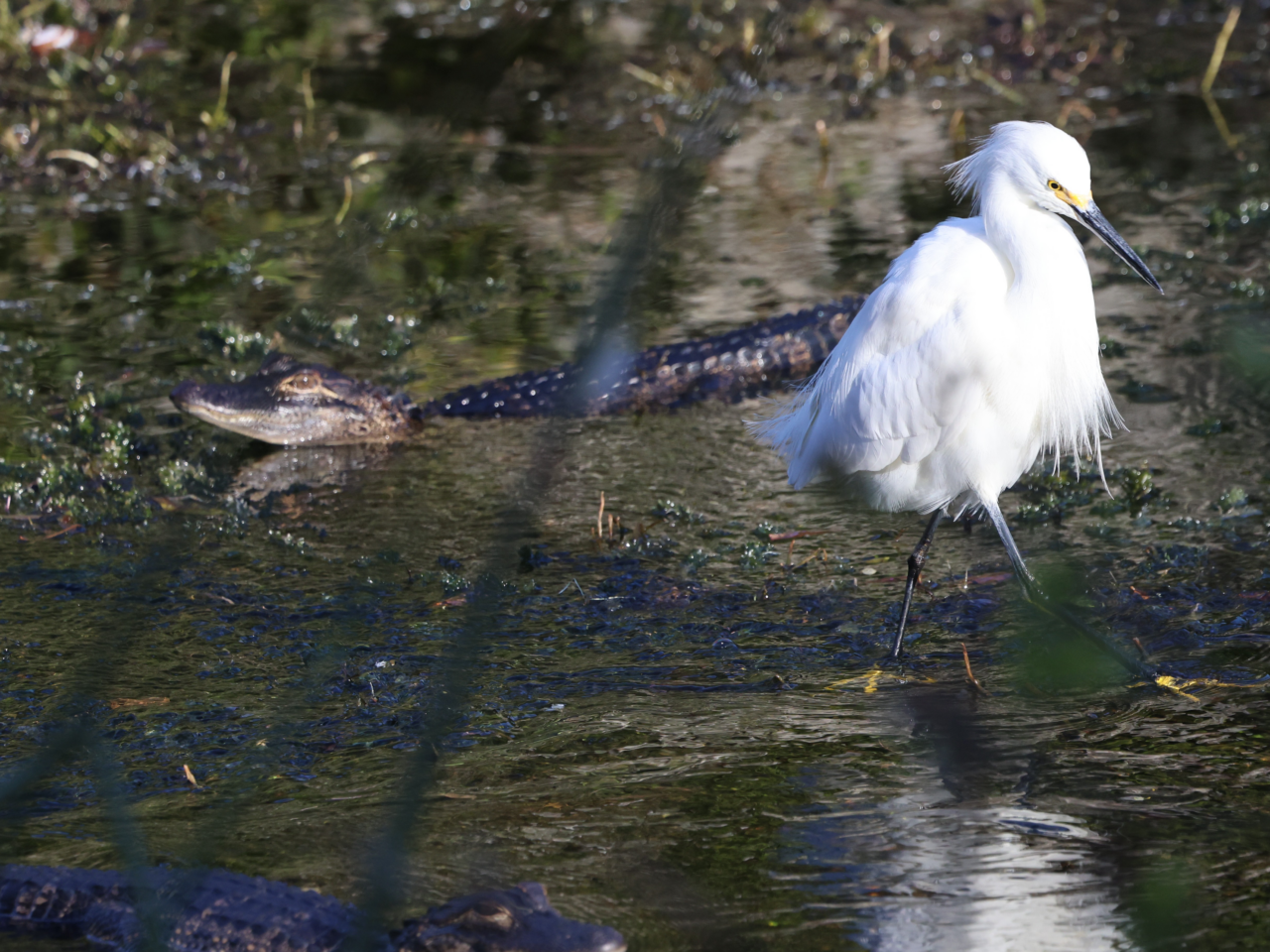 Protective Nesting Associations: the predator next door
Sometimes building a nest near predators can be a good thing! Let’s explore the different ways some birds take advantage of nesting near to animals that are a few steps higher up on the food chain—in other words, their predators’ predator.